Textiles
Textiles in a Circular Economy

What are textiles? A textile is a flexible material consisting of a network of natural or artificial fibers (yarn or thread). The words “fabric” and “cloth” and “material” are often used to describe textiles and are made of interlacing fibres, including those used in carpeting and for geotextiles.
A fabric is a material made through weaving, knitting, spreading, crocheting, or bonding that may be used in the production of further goods (garments, etc.). Cloth and fabric both have the same meaning and is often a piece of fabric that has been processed.
Fibre plants have existed worldwide for centuries. Plant fibres have a long history of use in textiles, cordage, paper, and, more recently, in technical applications in composite materials. The use of textile fibres can be traced back to 9000 B.C. Fibres from plants can be considered renewable and biodegradable as they grow and can be returned to the soil without harm and sometimes even with beneficial effects, as in the case of hemp.
There are four main types of plant fibre:
- Bast fibre, or so-called phloem fibre or skin fibre, is a plant fibre collected from the phloem – the inner bark, sometimes called skin – or bast surrounding the stem of certain dicotyledonous plants. Bast fibre supports the phloem’s conductive cells and provides strength to the stem; examples include flax and hemp.
- Leaf fibres, or hard fibres, are a type of plant fibre mainly used for cordage or vegan leathers. They are the toughest of the plant fibres because of their increased lignin content. These are not traditional leaves but rather fleshy leaf plants, such as pineapple and agave, which are used for sisal.
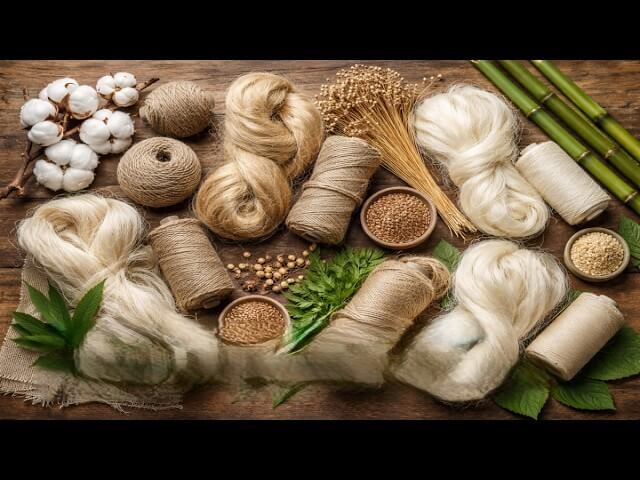
3. Wood fibres are sourced from trees, grasses, and bamboo. These fibres are stiffer and usually need an extra process to soften them. Often, sodium hydroxide is solubilised with carbon sulfide for viscose and N-methylmorpholine-N-oxide for lyocell, which is less harmful than carbon sulfide, then extruded in the same methods as man-made fibres.
4. Fibre from seeds and fruits of plants is often attached to hairs or fibres or encased in a husk that may be fibrous, such as cotton, coir and kapok. (Source: Sustainable Alternative Plant Fibres for Textiles)
Circular Fashion – 12 Principles for Industry
As part of the Circular Fashion Framework, Dr. Brismar has identified sixteen key principles,12 for industry and four for consumers, to support a more circular and sustainable fashion and textile industry. These principles are equally applicable to everyday apparel, sportswear, outdoor, and interior design.
Design
Design is where the circular economy begins. Design determines what circular principles will be deployed and what degree of circularity will be achieved. To bring to life the 16 Key Principles for Circular Fashion (equally applicable for all textiles), design is the point of conception.

Design | 
Definition |
Principle 1: Design with a Purpose | The purpose of the circular economy and sustainability. |
Principle 2: Design for Longevity | How long will your design last in terms of style and fashion? Can your designs be reused by someone else? |
Principle 3: Design for Resource Efficiency |
|
Principle 4: Design for Biodegradability | Textiles are being developed that are biodegradable under industrial composting conditions. Naturally occurring fabrics like cotton and wool tend to break down quicker than manufactured fabrics like polyester, although certain polymers, like rayon, are an exception. |
Principle 5: Design for Recyclability | There are three methods to design for recyclability |
Supply Chain Sourcing
The fashion industry can improve their understanding of the art of assessing the environmental impact of fibres and textiles, gain a more nuanced view of fibres and their environmental performances. Thereby improving the design, selection and sourcing, contributing to greater knowledge by increasing transparency and knowledge-sharing, and expanding communication around the environmental advantages and disadvantages of fibres while being more vigilant for attempts of greenwashing.

Sourcing |
Definition |
Principle 6: Source and Produce More Locally | The fashion industry is responsible for 10% of annual global carbon emissions, exposing many companies to climate change risk. Localising manufacturing by having factories cluster together, moving geographically closer to their customers will reduce emissions. |
Principle 7: Source and Produce without Toxicity | Chemicals use throughout the whole textile supply chain starting with fertilisers and pesticides in agricultural systems through to dyeing and processing, from a cross-link resin*, a colour, or performance chemical. |
Principle 8: Source and Produce with Efficiency | 1. Resource efficiency |
Principle 9: Source and Produce with Renewables | Mandates that the energy and materials used to create clothing must come from renewable, non-fossil fuel sources |
Principle 10: Source and Produce with Good Ethics | This principle demands a holistic approach to the supply chain, ensuring that fair labor practices, safe working conditions, and ethical sourcing of materials are prioritised alongside material longevity and recyclability. |
Service & Collaboration
Research indicates that 72% of fashion industry emissions stem from upstream activities before the garments are exported, and out of which, 90% of those emissions happen even before the fabric is laid on the cutting table. Finished textiles and garments that have been produced but cannot be exported due to some defect, the creative, physical, financial, and especially the natural resources invested in them are lost. By delving into the roots of pre-consumer waste, it becomes clear that optimising supply chain processes and ensuring tried and tested circular business models, such as repairing, is not only critical for business performance but also plays a crucial role in combating climate change. (Source: ‘Repair as a best-practice in reducing pre-consumer industrial fashion waste‘ published by One Planet, 14 December 2023)

Stakeholders |
Definition |
Principle 11: Provide Services to Support Long Life | When and where possible, support your garment for repair, reuse or resell. Consider recommerce as part of your business model. |
Principle 12: Collaborate Well and Widely |
|
Circular Fashion – 4 Principles for Consumers
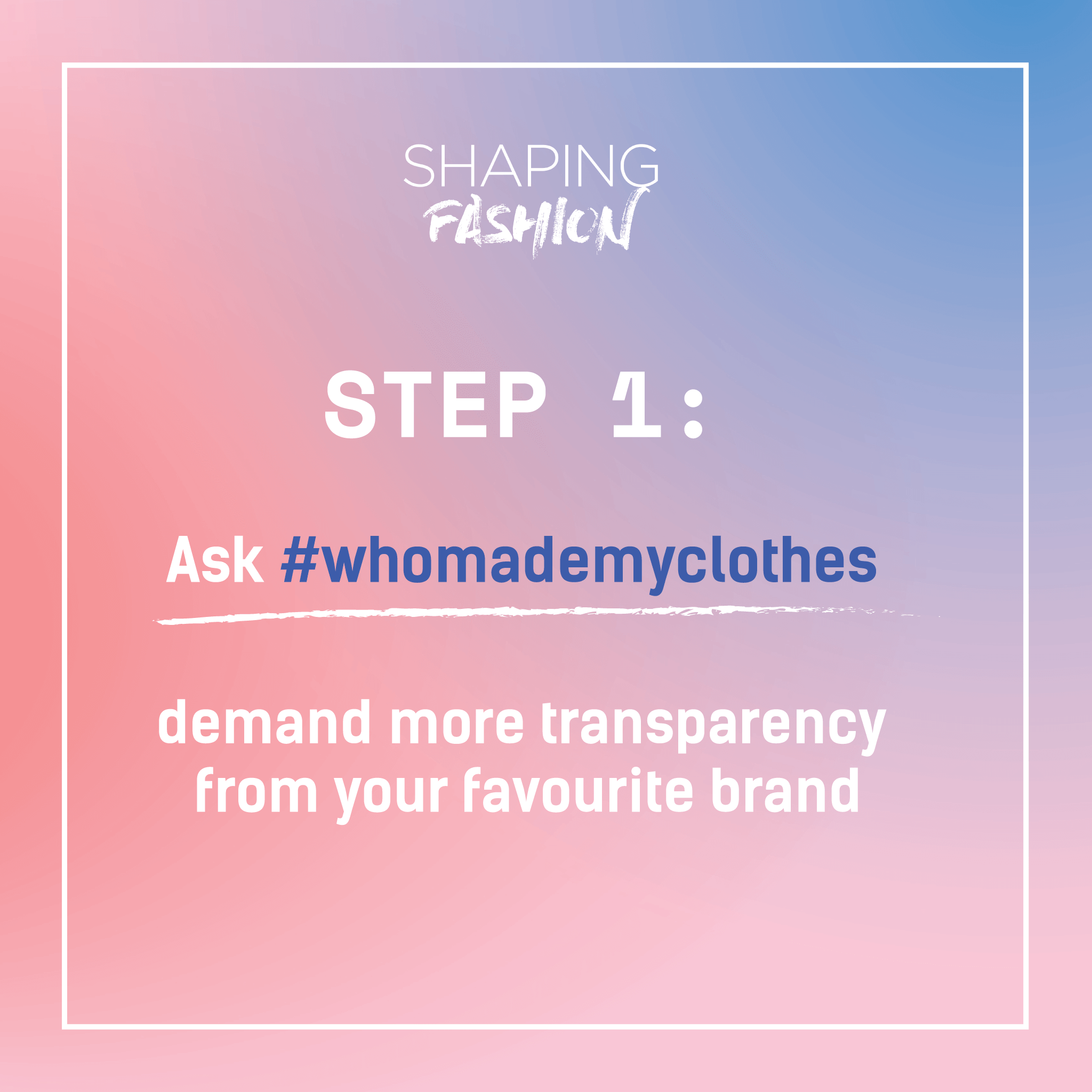
The four circular economy principles for consumers focuses on shifting consumer’s perceptions towards accepting recyclable or biodegradable textiles, alternative ways to consume garments and by expanding the value proposition of the circular economy through different touchpoints. For example, collecting and repairing its old jeans is a key focus of Nudie Jeans’ circular efforts, with the brand taking on an educative role to communicate the value of used textiles to its customers. In-store signs clearly communicate that the brand repairs its jeans for free and that customers receive a 20% discount on a new pair of jeans when they to drop off an old one.
 Key Principles for Consumers |  Definition |
Principle 13: Reuse, Recycle or Compost all Remains | One example is MycoTex, a textile made from mycelium (fungus mushrooms are made of); a method of production has been developed where the mycelium is flexible. A garment can be produced via a series of mycelium disks in order to create zero material waste. This construction method also means that the dress can easily be repaired if a section is damaged. The material is fully biodegradable and can, therefore, be composted at the end of life. |
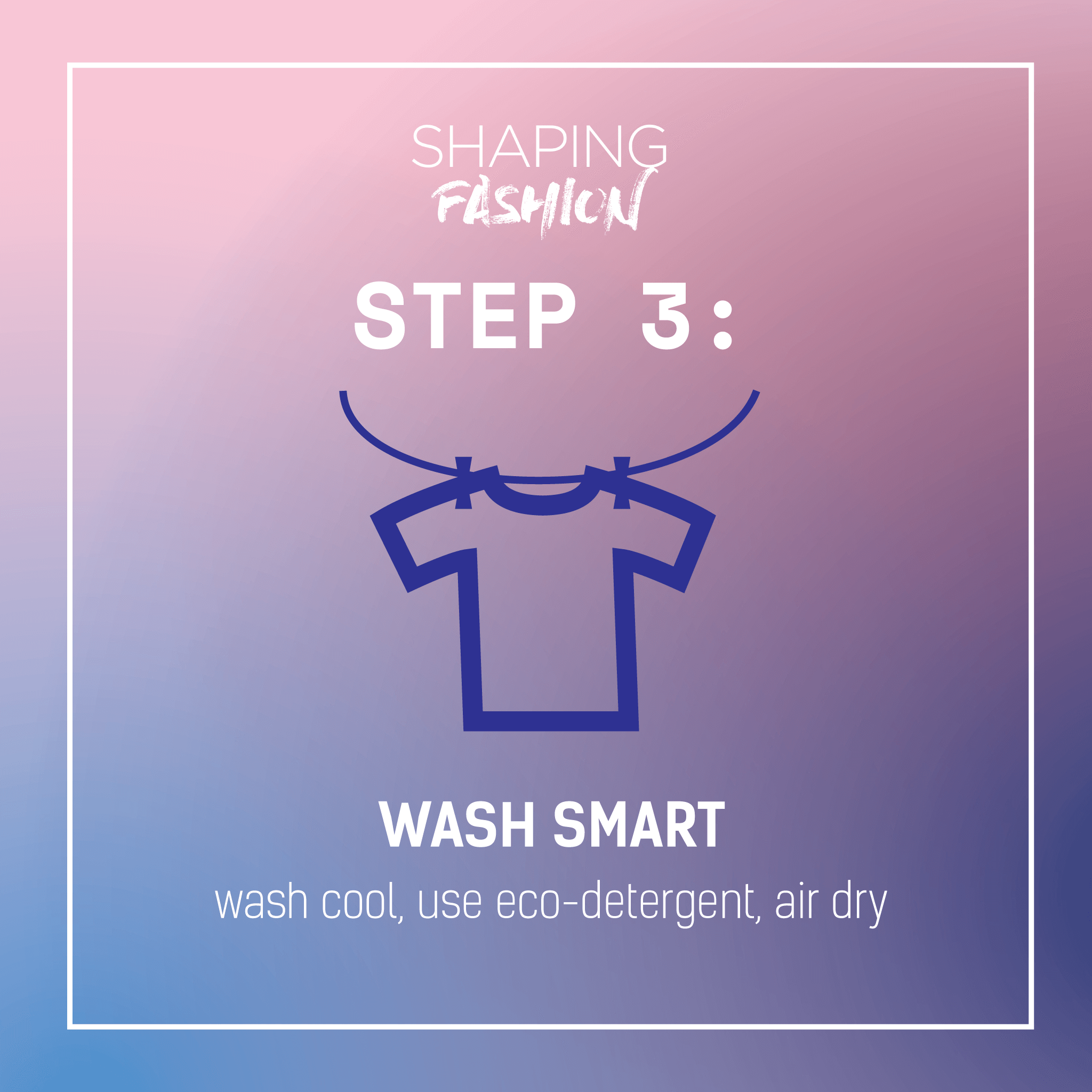
Principle 14: Use, Wash and Repair with Care | Circular ID: A circular ID can identity products, the material components and composition, to keep the products, material and resources in use, and/or revalorize them. Connecting lifecycle management with the Internet of Things, and facilitating the identification and authentication of products for resale, repair and reuse, a Circular ID tag can dramatically accelerate the global transition to a regenerative future. |
Principle 15: Consider Rent, Loan, Swap, Secondhand or Redesign Instead of Buying New | Secondhand: Consumption of all used apparel. Includes both the Resale sector and the Thrift & Donation sector. |
Principle 16: Buy Quality as Opposed to Quantity | Circular business models have the potential to fundamentally change the commercial incentives of the fashion industry. It could shift from a volume focus to an industry that is incentivised on quality – in which garment durability and number of uses would become the critical enablers of commercial viability. |
Consumer Actions

The Knowledge Centre
Our Knowledge Centre holds an extraordinary amount of information, including research, reports and articles covering more than 50 different topics, including finance, ideas, legal, metrics and monitoring, policy and presentations, as well as images, infographics and movies